
AC blowing warm air or furnace not turning on in Ceres? United Heating and Air diagnoses the real cause first, then gives you clear repair pricing before any work starts.
Thorough System Inspection
Every major HVAC component is checked to pinpoint the source of the problem.
Targeted Repairs
We repair failed components without recommending unnecessary replacements.
Airflow & Performance Check
Airflow, temperature, and system operation are tested before the job is complete.
Transparent Repair Advice
You'll receive clear findings, repair options, and upfront pricing before work begins.
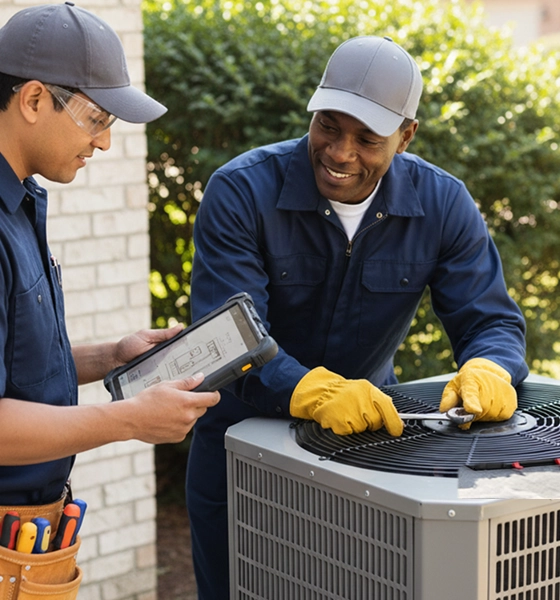
HVAC Repair in Ceres, CA
When the AC stops cooling in the middle of a Ceres summer or the furnace won’t kick on during a cold snap, it rarely feels like it can wait. Rooms heat up fast, kids get restless, and most people start bracing for a bill before they even know what’s wrong. A lot of that stress comes from not knowing what’s actually broken — a failed capacitor and a refrigerant leak can produce the exact same warm air out of a vent, but they’re very different repairs.
United Heating and Air provides HVAC repair services in Ceres, CA, built around finding the actual cause before recommending a fix.We check the system in a specific order — electrical components, airflow, refrigerant levels, and safety controls — so you’re paying for the part that’s actually failing, not a guess.
Common Signs Your HVAC System Needs Repair
Watch for these common warning signs:
Warm air coming from supply vents
Weak airflow
Short cycling
Unusual noises
Burning or musty odors
Higher energy bills
Water around the indoor unit
Thermostat not responding
How We Diagnose an HVAC Problem
One of the most common mistakes we see is assuming a single symptom points to one failed part. Warm air, weak airflow, or unusual noises can all have multiple causes, which is why every repair starts with a complete diagnosis instead of replacing parts based on symptoms alone.
We begin by checking the thermostat, electrical components, airflow, and safety controls before moving to refrigerant levels, capacitors, contactors, and blower performance. This step-by-step process helps us identify the actual cause instead of replacing parts based on symptoms alone.
Once we know the cause, we walk you through the repair options in plain terms — what’s failing, what it costs to fix, and whether it’s worth fixing at all given the system’s age.
Common issues we see across Ceres homes include:
Refrigerant leaks
low refrigerant means the system can't absorb heat properly, so it runs constantly without ever cooling the house down.
Failed capacitors
a common cause of a unit that hums but won't start, especially in systems running hard through peak summer heat.
Clogged condensate drains
these can trigger a safety shutoff that stops the AC from running at all, particularly in humid stretches.
Dirty or frozen evaporator coils
restricted airflow across the coil can cause it to ice over, cutting cooling output until it's fully thawed and the airflow issue is fixed.
Repair or Replace? What We Look At
Not every HVAC problem calls for a full system replacement, and not every repair is worth making. Age, repair history, and overall condition are the biggest factors. A newer system with a minor component failure is usually worth repairing, while an older unit with major repairs may make replacement the better long-term investment.
Preventing the Same Breakdown From Happening Again
A repair that only addresses the symptom tends to bring the same problem back within a season. Before we finish a job, we look for what caused the failure in the first place — restricted airflow that overworked a motor, a dirty condenser coil that made the compressor run hotter than it should, or a drain line that was never sloped correctly.
A few habits make a real difference in how often a system needs repair calls:
- Replace air filters as recommended for your system.
- Keep vents clear of furniture and rugs.
- Keep the outdoor unit free of debris.
- Schedule seasonal HVAC maintenance.
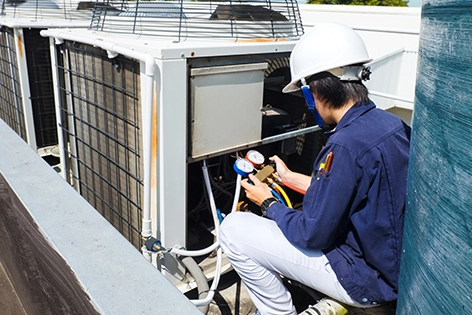
Emergency and Same-Day HVAC Repair
A no-heat call in January or a no-cooling call in July doesn’t fit neatly into a scheduled appointment window, which is why we prioritize same-day and emergency HVAC repair for calls where the home has no working heat or cooling at all. If you’re dealing with a system that’s tripping breakers, making a new loud noise, or has shut off completely, call rather than waiting to see if it resolves on its own — those symptoms are usually a sign of something that gets more expensive to fix the longer it runs.
Diagnosis before parts.
We identify the actual cause of the problem before recommending a repair, so you're not paying to replace a part that wasn't the issue.
Clear pricing before work starts.
You'll know the diagnostic finding and the repair cost before we touch anything — no open-ended bill at the end of the visit.
Repairs built to last, not just patch.
We look at what caused the failure, not just the symptom, so the same problem is less likely to come back in a few months.
Respect for your time and your home.
Clean work areas, clear communication, and a straightforward explanation of what we found and why.
Local experience with Central Valley systems.
Ceres summers put real strain on HVAC equipment, and we know which components tend to fail first under that kind of heat load.
System Safety Inspection
Safety controls and electrical components are checked before the repair is completed.
Frequently Asked Questions
How much does HVAC repair cost in Ceres, CA?
It depends entirely on what’s failing — a capacitor replacement costs far less than a compressor or coil repair. We diagnose the issue first and give you a clear price before any repair work begins, so there’s no guessing involved.
Can an HVAC repair actually lower my energy bill?
Often, yes. A system running with a failing capacitor, low refrigerant, or a dirty coil has to work harder to produce the same result, which shows up directly on your power bill. Fixing the underlying issue, along with basics like a clean filter and correct thermostat settings, typically brings usage back down.
Do you repair all HVAC brands and system types?
We provide residential HVAC repair for most common brands and system types, including central split systems, heat pumps, and furnaces. If you’re not sure what you have, a photo of the model tag on the unit is usually enough for us to tell you what we can service.
When should I call for repair instead of waiting to see if it gets better?
If comfort drops quickly, the system trips a breaker, short cycles, or starts making a new loud noise, it’s worth calling right away. Waiting on those symptoms usually turns a smaller, cheaper repair into a bigger one.
Why is my AC blowing warm air?
This is most often caused by low refrigerant from a leak, a failed compressor, a dirty condenser coil restricting heat transfer, or a thermostat issue that’s telling the system to run the wrong mode. We check all of these during a diagnostic rather than guessing at one.
Why does my AC keep short cycling?
Short cycling — the system turning on and off in quick bursts — is often caused by an oversized unit, a dirty air filter restricting airflow, a refrigerant issue, or a failing thermostat sensor. It’s worth having checked, since repeated short cycling adds wear to the compressor over time.
Why won't my furnace turn on?
Common causes include a tripped breaker or blown fuse, a thermostat wiring issue, a failed ignitor or pilot light, or a safety switch that’s shut the system down due to a restriction like a clogged filter. We check electrical and safety components first since those are the most common cause.
Is it worth repairing an older HVAC system, or should I replace it instead?
It depends on the system’s age, the cost of the repair, and how often it’s been breaking down. As a rough guideline, if the repair costs a third or more of a full replacement, or the system is past 12–15 years old, replacement is usually worth discussing. We’ll give you honest numbers on both options rather than pushing toward either one.
How long does a typical HVAC repair take?
Many repairs — capacitors, contactors, thermostat issues, minor refrigerant top-offs — are completed same-day, often within an hour or two once the cause is identified. Repairs involving major components like a compressor or coil can take longer, and we’ll give you a specific timeline once we know what’s involved.
Do you offer emergency HVAC repair in Ceres?
Yes. Calls involving a total loss of heating or cooling are prioritized for same-day service whenever possible, since those situations tend to get worse, not better, the longer they’re left alone.
Get Your HVAC System Fixed Right the First Time
Whether it’s a strange noise, warm air from the vents, or a furnace that won’t start, the fastest way to a real fix is a proper diagnosis — not a guess. Contact United Heating and Air to schedule HVAC repair services in Ceres, CA, and get a clear answer on what’s wrong and what it costs before any work begins.