HVAC Installation
Properly sized, code-compliant heating and cooling systems built for Central Valley summers — with clear pricing, honest recommendations, and long-term comfort.
Custom System Design

Equipment selected for your home's size, layout, and cooling requirements.

Code-Compliant Installation

Every installation follows manufacturer guidelines and California building standards.

Transparent Estimates

Clear pricing and recommendations before installation begins, with no pressure.

Built for Efficiency

Energy-efficient systems installed for dependable comfort and lower operating costs.
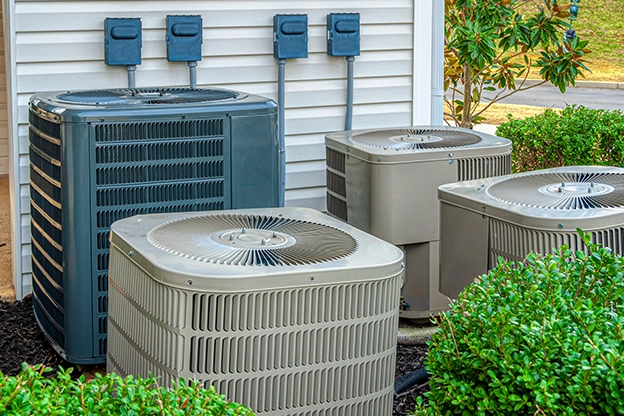
HVAC Installation in Ceres, CA

HVAC Installation in Ceres, CA

Summers in Ceres routinely climb past 100 degrees, and a system that’s too small, too old, or poorly matched to your home has to fight that heat all day. That shows up as rooms that never quite cool down, a unit that runs almost constantly, and a power bill that keeps climbing no matter what the thermostat says. Most of the time, the fix isn’t a bigger unit — it’s the right one, installed correctly.
United Heating and Air provides HVAC installation services in Ceres, CA, helping homeowners replace aging equipment with properly sized heating and cooling systems for homes throughout Ceres designed for long-term comfort. We size every system to the actual house — not a generic chart — and we walk you through the reasoning behind every recommendation, so you’re deciding based on facts about your home rather than a sales pitch.

Getting the Sizing Right Before Anything Else

Most HVAC performance problems begin with improper system sizing. An oversized air conditioner cools the home quickly but often shuts off before removing enough humidity. This short cycling increases wear on major components while making indoor temperatures less consistent. An undersized system has the opposite problem—it runs for long periods and may still struggle to keep your home comfortable during Ceres summers.

Square footage and layout

Room dimensions and floor plan help determine the correct heating and cooling capacity.

Ceiling height

Ceiling height changes the total air volume your HVAC system must efficiently condition.

Insulation levels

Well-insulated homes retain conditioned air better and reduce unnecessary energy loss.

Window placement

Window size, direction, and sun exposure influence cooling demand throughout the day.

Airflow throughout the home

Airflow is evaluated to promote balanced temperatures in every room.

Existing ductwork

Existing ducts are inspected to ensure they can support the new HVAC system properly.
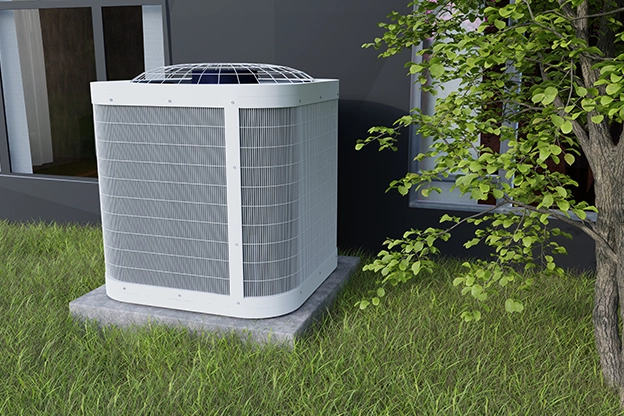
These factors follow the same principles as an industry-standard Manual J load calculation, helping us recommend equipment based on your home’s actual requirements rather than a general sizing chart.

Repair or Replace? How to Know Which Option Makes Sense

Many homeowners call us assuming they need a completely new HVAC system when the problem may be limited to a single component. Others continue paying for repairs long after replacement would have been the more cost-effective choice.
That’s why we inspect your current equipment before recommending replacement. If repairing your existing system is the better investment, we’ll tell you. If HVAC replacement will save money and improve comfort over the long term, we’ll explain why before making a recommendation.

Replacement Is Often Worth Considering When:

What Happens on Installation Day

Every HVAC system installation follows manufacturer specifications and California mechanical code. On installation day, we begin by protecting floors and entry paths before any equipment is moved. The old unit is disconnected, drained if needed, and removed for proper disposal — refrigerant recovery and disposal follow EPA guidelines, not shortcuts.
From there, the new equipment goes in according to manufacturer specs and California mechanical code — line sets are run and properly insulated, drain lines are sloped and tested, electrical connections are sized correctly for the new equipment’s amperage draw, and every refrigerant joint is brazed and pressure-tested for leaks before the system is charged.

Before We Leave, We Check:

You’ll get a short walkthrough of the new system afterward — thermostat settings, filter location and size, and what to expect in the first few days as the system settles in. We also keep work areas closed off from kids and pets during the job and clean up as we go rather than leaving it for the end.

Equipment Options for Ceres Homes

Every residential HVAC installation should be based on the home’s layout, insulation, ductwork, and comfort needs rather than a one-size-fits-all recommendation. Rather than recommending every available upgrade, we focus on improvements that add real value for your household.

Central Split Systems

A separate condenser and furnace or air handler remains the most common setup for homes that already have ductwork.

Heat Pumps

We explain operating costs and maintenance so you can choose the system that best fits your home.

Furnaces

Gas or paired AC systems still make sense for fast heat recovery on cold mornings.

Efficiency Ratings

We explain where higher-efficiency equipment makes sense and where the cost may not justify the savings.

Indoor Air Filtration

Better filtration can help reduce dust and allergens when it solves a specific household problem.

Smart Thermostats

Smart scheduling can make comfort easier and improve efficiency.

Support After Your HVAC Installation

A properly installed system should feel noticeably better within the first day — steadier temperatures, quieter operation, and less humidity in the air. But a good result also depends on what happens after we leave.
If something feels off after installation — a new noise, weaker airflow in one room, or a thermostat that’s not holding temperature — call us and describe it. Small adjustments to airflow balance, refrigerant charge, or thermostat settings are common in the first few weeks as a system settles in, and catching them early prevents bigger issues later.
HVAC Installation in Ceres, CA

Why Homeowners in Ceres Choose United Heating and Air

Honest Sizing, Not Upselling

Recommendations come from load calculations and a walkthrough of your actual house, not a generic sizing chart.

Installation Done to Code

Pressure-tested joints, sloped drain lines, and amperage-matched electrical connections are not skipped.

Clear Communication

You'll know what we recommend, why, what the installation day looks like, and what your warranty covers.

Local Central Valley Experience

We size and install with Ceres summer heat load in mind, not a mild-climate default.

Frequently Asked Questions

Will replacing my HVAC system lower my energy bills?
A newer HVAC system can improve efficiency, but savings depend on proper sizing, installation quality, your home’s insulation, and the condition of the ductwork. During your estimate, we’ll explain which improvements are likely to make the biggest difference.
As a general guideline, if a system is over 12–15 years old, needs a repair costing more than a third of a replacement’s cost, or has had multiple breakdowns in the past two years, replacement usually makes more financial sense than continuing to repair it. We’ll give you straight numbers on both options during an estimate rather than pushing toward the more expensive one.
Often, yes — but it depends on the cause. If the imbalance comes from an undersized or oversized old unit, correctly sizing the new system usually solves it. If it’s caused by duct leaks, blocked returns, or poor duct design, we’ll flag that during the sizing walkthrough, since a new unit alone won’t fix a duct problem.
There’s no single answer that applies to every home the same square footage — insulation, window exposure, ceiling height, and duct condition all affect the real load. That’s why we calculate it for your specific house rather than quoting off a square-footage chart.
For many homes, yes. Heat pumps handle summer cooling the same way a standard AC does, and they can also provide efficient heating during the region’s mild winters, often at a lower operating cost than a gas furnace. Whether it’s the right fit depends on your home’s insulation and existing ductwork, which we’ll evaluate before recommending one.
We install and modify ductwork as part of installation when it’s undersized, leaking, or poorly routed. In some cases, upgrading a section of ductwork improves comfort more than upgrading the equipment itself, and we’ll tell you if that’s the case for your home.
Cost depends on system size, efficiency tier, and whether ductwork or electrical work is needed alongside the new equipment. We provide a clear, itemized estimate before any work starts, so you know the full cost upfront rather than getting a number that changes once the job is underway.

Get the Right HVAC System for Your Home

Every home has different heating and cooling needs. If you’re planning HVAC installation in Ceres, CA, we’ll evaluate your current system, explain your options clearly, and recommend equipment that’s properly sized for your home, comfort goals, and budget. Contact United Heating and Air to schedule your installation estimate.