
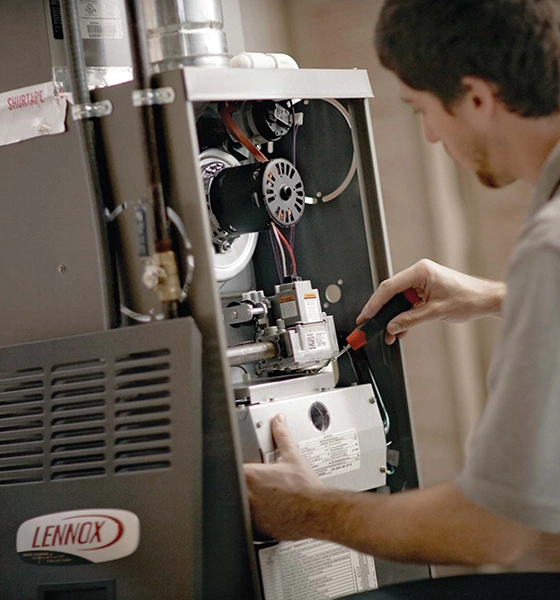
Furnace Repair in Ceres, CA
What Your Furnace Is Telling You
Furnace problems tend to sort into a handful of patterns. Here’s what’s usually behind each one:
No heat at all, even with the thermostat calling for it
This points toward a tripped breaker or blown fuse, a thermostat or wiring issue, or a safety switch that’s shut the system down — often triggered by something as simple as a badly clogged filter restricting airflow. We check electrical and safety components first since they’re the most common cause.
Blower is running, but the air never actually warms up
Usually a failed ignitor or gas valve issue is preventing the burners from lighting even though the blower motor is working fine. It can also mean the thermostat is set to the wrong mode. We check ignition and thermostat settings together, since either one causes this exact symptom.
Furnace clicks repeatedly but won’t ignite, or the pilot won’t stay lit
This is typically a failing ignitor, flame sensor, or thermocouple, sometimes combined with a draft affecting the flame. It’s usually a straightforward repair, but a pilot that keeps going out shouldn’t just be relit over and over without having the cause checked.
Short cycling, or banging and screeching noises
Short cycling can come from a dirty filter restricting airflow, a failing thermostat sensor, or a system that was oversized to begin with. Loud noises on startup or shutdown often point to a blower motor issue or a component working loose — either way, it’s worth having checked before it gets worse.
A smell that doesn’t fade
A faint dust-burning smell during the season’s first run is normal and usually clears within an hour. A persistent burning smell, anything electrical or plastic-smelling, or an odor that doesn’t fade is worth shutting the system off and having it looked at.

The Safety Checks We Never Skip
A furnace repair isn’t just about restoring heat — it’s about confirming the system is safe to run afterward. Every repair call includes these checks, not just the part causing the symptom you called about:
- Heat exchanger inspection for cracks, which can allow combustion gases into the airflow
- Carbon monoxide and combustion checks, confirming the system burns fuel cleanly
- Gas line and connection checks for leaks at the fittings
- Flue and venting inspection, making sure exhaust gases actually leave the home
If we find a safety issue during a repair call, we’ll tell you plainly what it is and won’t leave a system running in a condition we wouldn’t consider safe in our own home.
Repair or Replace?
A Few Habits That Prevent the 6 A.M. No-Heat Call
- Replace furnace filters on schedule — a clogged filter is one of the most common causes of airflow-related shutdowns
- Keep vents and returns clear of furniture and rugs
- Schedule a furnace tune-up before the season's first cold snap, not after
- Address unusual smells or noises early instead of waiting to see if they go away
Why Homeowners Trust Our Furnace Repairs
Diagnosis Before Repairs
We identify the actual cause of the problem before recommending any parts or repairs, helping you avoid unnecessary costs.
Safety Comes First
Every repair includes checks of the heat exchanger, combustion system, venting, and other safety components before the furnace is returned to service.
Clear, Upfront Pricing
You'll receive a straightforward explanation of the problem and a repair estimate before any work begins.
Local Heating Experience
We understand how Central Valley winters affect residential heating systems and tailor our recommendations to local conditions.
Frequently Asked Questions
How much does furnace repair cost in Ceres, CA?
Is a burning smell from my furnace dangerous?
How do you check for carbon monoxide safety during a repair?
Is it worth repairing an older furnace, or should I replace it?
Do you repair all furnace brands and types?
Do you offer emergency furnace repair in Ceres?
How long does a typical furnace repair take?
Get Your Furnace Fixed Right the First Time
Whether it’s no heat at all, cold air from the vents, or a pilot light that won’t stay lit, the fastest way to a real fix is a proper diagnosis — not a guess. Contact United Heating and Air to schedule furnace repair in Ceres, CA, and get a clear answer on what’s wrong and what it costs before any work begins.